Essential Services for Commercial Building Solutions

When you’re planning a commercial construction project, it’s easy to feel overwhelmed by the many moving parts involved. From the initial design to the final touches, every step requires careful attention and expert support. I’ve learned that understanding the essential services for commercial building solutions can make the process smoother and more successful. Whether you’re investing in a new office space, retail store, or industrial facility, knowing what services to expect helps you stay in control and confident.
Let’s walk through the key services that play a vital role in commercial construction projects. I’ll share practical insights and examples to help you grasp what each service entails and why it matters.
Understanding Commercial Building Solutions: What You Need to Know
Commercial building solutions cover a broad range of services designed to bring your project from concept to completion. These solutions include everything from site preparation and foundation work to electrical systems and interior finishes. Each service is a piece of the puzzle that ensures your building is safe, functional, and attractive.
For example, site preparation involves clearing the land, grading, and making sure the ground is stable enough to support your structure. Without this step, you risk costly delays or structural problems down the line. Similarly, foundation work sets the stage for the entire building. A strong foundation means your building will stand firm through weather changes and daily use.
When you hire a team experienced in commercial building solutions, you get access to professionals who understand these details. They coordinate the work, manage timelines, and keep quality standards high. This coordination is crucial because commercial projects often involve multiple contractors and specialists working together.

Key Commercial Building Solutions Services You Should Expect
Every commercial construction project requires a set of core services to succeed. Here’s a breakdown of the most important ones:
Design and Planning
This is where your vision takes shape. Architects and engineers create detailed plans that meet your needs and comply with local building codes. Good design balances aesthetics, functionality, and budget.
Permitting and Approvals
Before construction begins, you need permits from local authorities. This process ensures your project meets safety and zoning regulations. Experienced teams handle this paperwork to avoid delays.
Site Preparation and Excavation
Clearing the land, removing debris, and grading the site are essential first steps. Excavation prepares the ground for foundations and underground utilities.
Foundation and Structural Work
Foundations support the entire building. Structural work includes framing, steel installation, and concrete pouring. This phase requires precision and quality materials.
Mechanical, Electrical, and Plumbing (MEP)
These systems keep your building running smoothly. Proper installation of HVAC, electrical wiring, and plumbing is critical for comfort and safety.
Interior and Exterior Finishes
From drywall and flooring to windows and siding, finishes give your building its final look. Attention to detail here enhances durability and appeal.
Project Management and Quality Control
Managing schedules, budgets, and subcontractors keeps the project on track. Quality control ensures every aspect meets standards.
By understanding these services, you can ask the right questions and make informed decisions throughout your project.
What's the difference between a GC and a CM?
You might hear the terms General Contractor (GC) and Construction Manager (CM) tossed around when discussing commercial building solutions. While they both play leadership roles, their responsibilities and involvement differ.
A General Contractor is typically hired to complete the entire construction project. They manage subcontractors, order materials, and ensure the work follows the plans. The GC takes on the risk of delivering the project on time and within budget.
On the other hand, a Construction Manager acts more like an advisor and coordinator. They work closely with you and the design team from the start, helping with budgeting, scheduling, and selecting contractors. The CM’s role is to oversee the project and provide expert guidance, but they may not perform the actual construction work.
Choosing between a GC and a CM depends on your project’s complexity, timeline, and how involved you want to be. Both roles are essential, but understanding their differences helps you pick the right partner.
How to Choose the Right Commercial Construction Services Provider
Selecting the right team for your commercial construction project is one of the most important decisions you’ll make. Here are some tips to help you find a trusted partner:
Look for Experience in Your Project Type
Whether you’re building a retail space or an office, find a provider with a proven track record in similar projects.
Check References and Reviews
Ask for client references and read online reviews. Hearing from past customers gives you insight into reliability and quality.
Evaluate Communication Skills
You want a team that listens, explains clearly, and keeps you updated. Good communication prevents misunderstandings.
Confirm Licensing and Insurance
Make sure your provider is fully licensed and insured to protect yourself from liability.
Discuss Budget and Timeline Upfront
Transparency about costs and schedules helps avoid surprises later.
Ask About Their Network of Subcontractors
A strong network means they can bring in skilled specialists when needed.
By following these steps, you’ll find a partner who shares your goals and values quality craftsmanship.
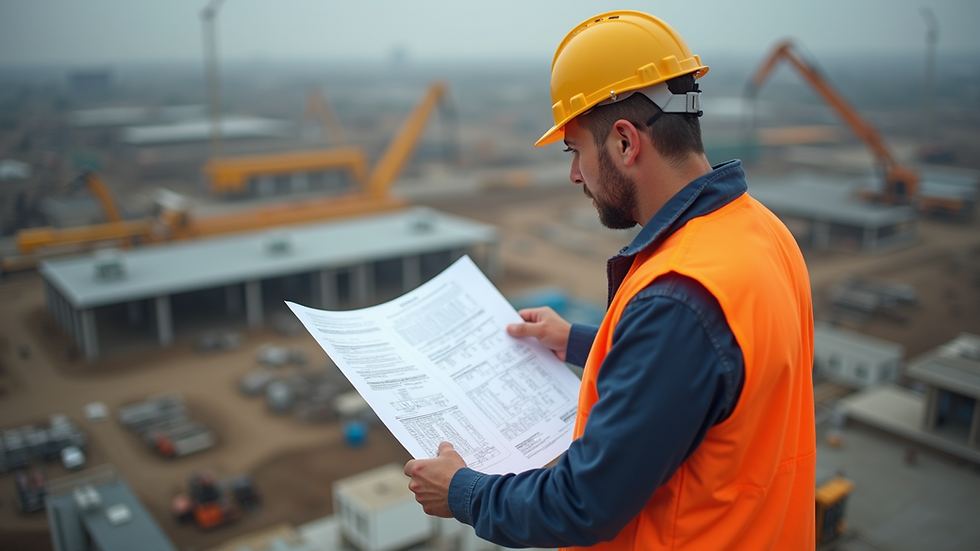
Why Quality Commercial Construction Services Matter
Investing in quality commercial construction services pays off in many ways. A well-built structure lasts longer, requires less maintenance, and creates a better environment for your business or tenants.
For example, proper installation of HVAC systems not only improves comfort but also reduces energy costs. Using durable materials for exterior finishes protects your building from weather damage and keeps it looking professional.
Moreover, a smooth construction process saves you time and stress. When your team follows best practices and maintains clear communication, you avoid costly delays and rework.
Remember, your building is more than just a physical space. It’s a reflection of your business and a foundation for future growth. Choosing the right services ensures your investment supports your long-term success.
Taking the Next Step with Your Commercial Construction Project
Now that you understand the essential services involved in commercial building solutions, you’re better equipped to move forward confidently. Whether you’re starting from scratch or renovating an existing property, having a clear picture of what to expect makes all the difference.
If you want to explore trusted commercial construction services tailored to your needs, reach out to a local expert who knows Northern Indiana well. They can guide you through every phase, from planning to completion, with honesty and skill.
Remember, your project deserves a partner who values craftsmanship and straightforward service. With the right team by your side, your commercial construction journey will be a positive and rewarding experience.
I hope this guide helps you feel more confident about your commercial construction project. When you focus on the right services and choose the right team, you’re setting yourself up for success. Here’s to building something great together!


Comments